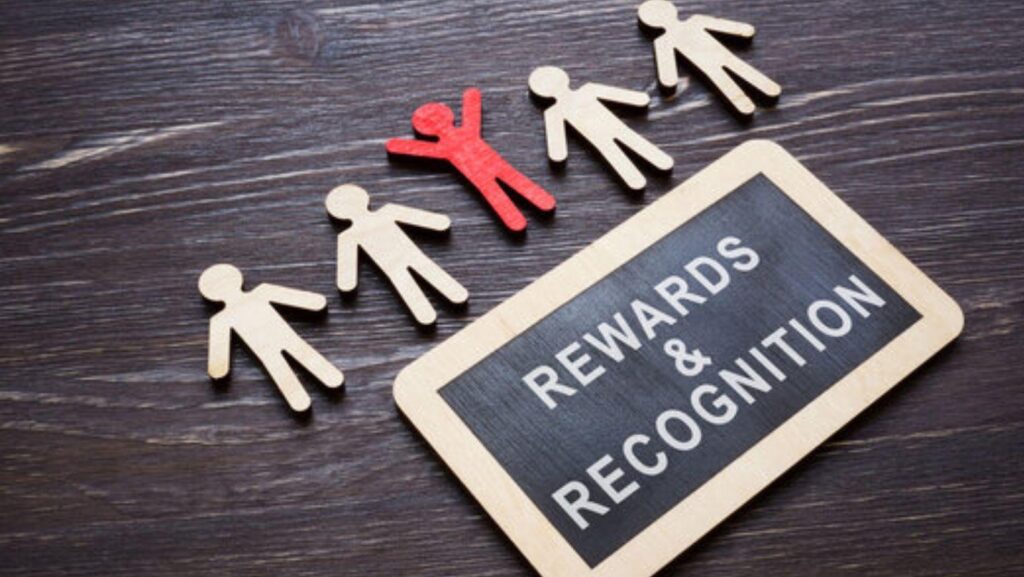
Maintaining high motivation is a major challenge for modern business leaders. Productivity declines and employee turnover increases when staff is disengaged, and is extremely expensive for businesses each year. Staff members want to know they’re appreciated for their efforts and commitment to the company’s mission. If they feel that their efforts are not valued or appreciated, they lose interest in what they do and are generally not happy about it. It’s vital to increase the morale of the office in a very productive manner to make it successful in the long run. This is a typical problem at work, and many progressive firms are seeking creative digital solutions to help them combat it and cultivate a stronger company culture.
Creating a Culture of Continuous Appreciation

The old approach to giving thanks at the end of the year, following an annual performance review, is a thing of the past. Positive feedback is needed for modern workforces if they are to remain motivated and active in the performance of their tasks. Acknowledging a significant project accomplishment after a year diminishes the impact of the praise and it loses its relevance with the project. Implementing dedicated employee recognition software solves this frustrating problem by allowing managers to offer immediate public praise. If a team member goes the extra mile to assist a challenging customer or complete a challenging project early, leaders can send a sincere thanks in an instant. This continuous stream of positive reinforcement keeps daily energy levels high throughout the entire calendar year. It takes simple thank you and makes it a common occurrence instead of happening at a formal occasion once a year, thus making everyone feel respected and valued.
Empowering Peer-to-Peer Recognition

Executive-level recognition can always be a critical piece of lateral recognition, but lateral appreciation can be a key factor in a positive internal community. Coworkers know more about each other’s daily challenges and the little successes at work than anyone else in the building. Providing your employees with digital tools that allow them to easily celebrate each other fosters a very supportive and collaborative office. When team members can quickly send digital badges or reward points to their colleagues, it breaks down rigid departmental walls completely. This is a peer-to-peer interaction that has been successfully able to weed out the competition in the workplace with healthy mutual support. People who cheer on their team’s victory tend to develop better working relationships. These good relationships directly contribute to better overall job satisfaction, and make it far more enjoyable and interesting for everyone to come into work.
Connecting Rewards to Core Company Values
No business is successful without a clear vision and set of values. Putting these lofty values on a breakroom poster doesn’t mean your employees will live by them daily. Digital appreciation platforms enable you to connect certain personal benefits to your existing business objectives. Once an employee gets a shoutout, the sender is able to quickly identify the company value that has been perfectly exemplified. It is a continuous reinforcement to remind the whole staff of the important behaviors that are important to your organization. It seamlessly connects each person’s daily work with the overall company’s goal. If they know precisely how their effort contributes to the rest of the business’s efforts, they will be more engaged and focused on their work every day.
Providing Data-Driven Insights for Leaders
It is important to have a good understanding of the social interactions and dynamics within a diverse and large workforce, as well as office morale. It is often very difficult for human resources departments to accurately track exactly who is performing well and who might be feeling ignored. Digital gratitude platforms deliver organization leaders with strong data and analytics on overall workplace sentiment. Efficient managers can quickly retrieve detailed weekly reports to see which departments are seriously engaged and who is always being praised by fellow employees. This important data is used by busy leaders to recognise hidden top talent and to predict employee burnout before it is a big issue in the company. Executive teams have access to these incredibly clear metrics which means they can make incredibly smart and proactive business decisions as to who they should promote internally, and who they should restructure, based on actual performance, not on simple guesswork.
Conclusion
To have a highly engaged workforce in modern times, you have to make a huge effort to involve them with consistent and meaningful values of appreciation. There’s no margin for error when it comes to a professional organization’s absolute best talent being happy and motivated – slow, out-of-date practices just don’t cut it these days. You can leverage continuous praise, facilitate collaborative peer learning, link daily actions to values, and get important leadership feedback – all by adopting modern digital solutions. These are some of the most potent tools available, making a typical corporate office into a lively, highly supportive community where qualified professionals really do want to invest their careers. These are specialized engagement platforms that you invest in, and can make your employees feel that they are valued well being. The constant attitude of gratitude is the best business strategy to prevent expensive employee turnover and help your whole team achieve financial success in the future with the help of modern technology.