
Industrial equipment and components
The cost of poor industrial equipment selection decisions goes far beyond what you initially paid. When you don’t give adequate thought to which machines, systems or components you add to your facility, you could find yourself with technology that doesn’t match the demands of your production line, or equipment that can’t scale up (or down) when your production needs change.
Start With What the Operation Needs
The first mistake to avoid is skipping the step where you outline your specific needs and goals for your industrial equipment. It’s easy to fall in love with the promise of increased production capacity, for example, without giving adequate consideration to whether the equipment will reliably get the job done. Or you might gravitate toward flashy bells and whistles that aren’t essential for your operation, and end up paying for them.
To get a handle on your equipment selection needs, consider questions like:
- What materials or products will the equipment be responsible for handling?
- How frequently do you anticipate running the equipment at or near its peak capacity?
- What environmental factors (heat, cold, moisture, dust, etc.) could lead to excessive wear, overheating or contamination?
- Who will be operating the equipment, performing inspections and conducting maintenance?
- What would happen if the equipment experienced a breakdown?
Reliability Comes Down to the Details
Reliable equipment means fewer headaches and unexpected repairs. It inspires confidence in your employees and gives you greater control over your production schedule. To get dependable results, invest in equipment that’s engineered to handle your unique production demands and make timely maintenance a priority.
When thinking about the long-term reliability of industrial equipment, don’t overlook the importance of hoses, seals, filters, belts, controls, bearings, connectors and other components, which are product categories Great Lakes Industrial sources for maintenance teams. A quick look-over every 30 days can help you address performance changes, unusual sounds, loose fittings and leaks before they impact your production. And before making your selection, find out how easy (or difficult) it will be to source replacement parts down the road.
The Whole Facility Has to Fit
Your industrial equipment selection should line up with your workflow, not the other way around. That means giving adequate thought to how a new machine or system will impact and be impacted by your facility layout, loading zones, access points, safety clearances, material flow, conveyance routes and more.
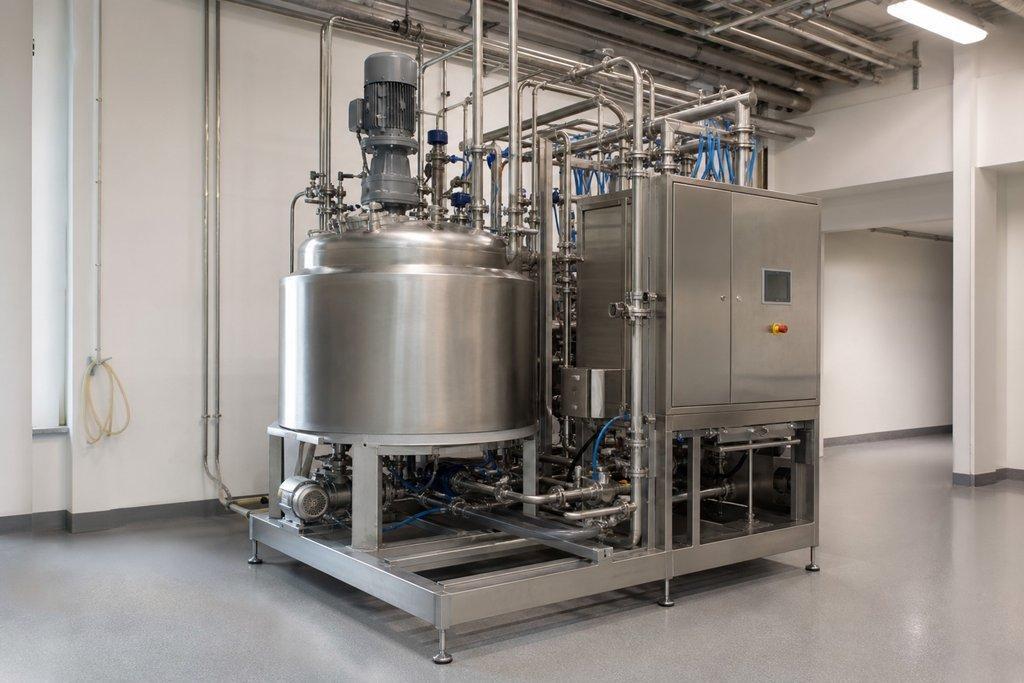
Industrial facility equipment layout
Equally important: Be sure your equipment selection aligns with your facility’s power and utility options as well as your team’s experience and comfort level. If your employees are going to have to circle back to access certain components on a regular basis or take detours to perform their jobs, you’ll likely see an overall drag on productivity.
Prioritize industrial equipment that’s intuitive and user-friendly with built-in safety features (guards, emergency stop buttons, etc.) your employees won’t be tempted to bypass. Keep in mind that any new equipment or system you bring into your facility will require lockout/tagout procedures, something the CDC walks through at cdc.gov/niosh/docs/99-110/default.html, as well as operator training.
Also, factor in how visibility from the controls and required ventilation could impact your equipment selection.
- Establish acceptance criteria. Before commissioning, determine what throughput, quality, energy usage, and safety performance levels should be expected from the equipment in production (not just during a short demo run). Use these criteria as the basis for the commissioning plan.
- Commission equipment using actual materials, operators, and production conditions. This will give everyone an opportunity to fine tune material handling, safety guards, sensors, and other controls prior to production.
- Record performance data. This will include baseline performance, recommended settings, and maintenance issues identified during commissioning. This data will be a valuable reference for future employees and for identifying when equipment performance is less than optimal.
- Get IT involved when purchasing networked equipment. IT should determine who will be responsible for keeping equipment software up-to-date, and make sure that all equipment will be compatible with current and planned data gathering, access control, and other IT systems.
- Request IT assistance to make sure that equipment will be properly and securely set up so that it doesn’t cause problems down the road that weren’t covered in the equipment specs.
Cost and People Shape the Final Choice
When comparing industrial equipment options, resist the urge to fixate on the sticker price. While important, upfront costs are just one component of the total cost of ownership, which also accounts for maintenance, repairs, downtime, utilities, labor, parts and more.
In some situations, less robust equipment makes sense because it will only be used intermittently or for simple tasks and won’t be challenging to troubleshoot or repair. Other times, it pays to invest in a sturdier piece of equipment, particularly if a breakdown could halt an entire production line or create safety concerns.
When evaluating equipment options, consider how well each one will accommodate growth and other changes down the road.
Lastly, don’t skip the step of soliciting input from your employees before placing an order for new industrial equipment. Listen to your maintenance team’s concerns about ease of serviceability, production employees’ ideas for avoiding workflow snags and management’s thoughts about how the equipment will support business goals. Then factor in everyone’s insights as you move forward with your industrial equipment selection process.